
Popular Ditch Repair Products Every Contractor Should Know
Discover the essential tools and materials trusted by professionals for durable and reliable ditch restoration projects.
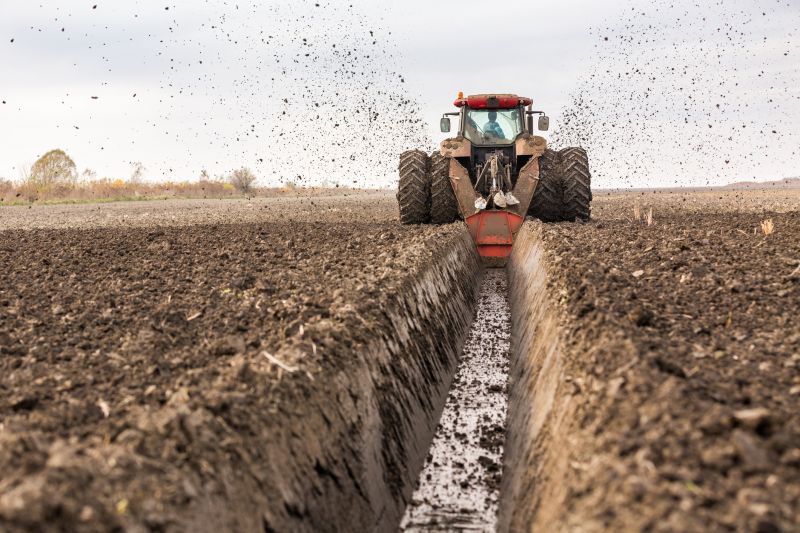 Ditch repairs are essential for maintaining proper drainage and preventing erosion in landscapes, gardens, and agricultural settings. The right products can help restore the integrity of a ditch, ensuring water flows efficiently and minimizing potential damage caused by runoff or flooding. When selecting tools and materials for ditch repairs, it's important to consider the size and depth of the ditch, the type of soil, and the extent of damage or erosion present. Using appropriate equipment can make the repair process more manageable and effective.
Types of Products For Ditch Repairs
Flexible Geotextile Liners
These liners are made from permeable fabrics that reinforce soil and prevent erosion while allowing water to pass through.
Erosion Control Meshes
Mesh products used to stabilize soil and prevent surface erosion, often combined with planting for additional support.
Repair Patches and Tape
Adhesive patches and tapes designed for quick fixes on small cracks or holes in ditch walls.
Soil Stabilizers
Chemical or organic agents that bind soil particles together to reduce erosion and improve stability.
Concrete or Cement Mixes
Used for larger structural repairs or to reinforce severely damaged sections of the ditch.
Drainage Gravel and Rocks
Materials used to fill and reinforce ditch beds, promoting proper water flow and reducing erosion.
Plastic Pipe Liners
Flexible piping options for lining the interior of ditches to improve water conveyance and prevent collapse.
Erosion Control Blankets
Protective coverings that shield soil from wind and water erosion, often used in combination with planting.
Hydroseeding Products
Seed mixes combined with mulch and water-absorbing agents to promote rapid vegetation growth for erosion control.
Vegetation Mats
Pre-grown mats that stabilize soil and encourage plant growth in repair areas.
Hydraulic Fill Materials
High-flow materials used to fill voids quickly and stabilize the ditch structure.
Erosion Control Socks
Fabric tubes filled with absorbent material that trap sediment and slow water flow, reducing erosion.
Riprap and Large Stones
Heavy rocks placed along the banks to absorb and deflect the energy of flowing water.
Drainage Pipe Connectors
Components used to connect and secure piping systems within the ditch for improved water flow.
Bioengineering Products
Natural materials like coir logs and live staking to promote plant growth and soil stabilization.
Popular Choices
Widely used for protecting soil in ditch repair projects, these blankets help prevent surface erosion and support vegetation growth.
Commonly selected for their flexibility and soil reinforcement capabilities, suitable for various ditch types.
Large stones favored for their durability and effectiveness in reducing water velocity along ditch banks.
Popular for their ease of installation and sediment-trapping qualities, these are often used in conjunction with other repair methods.
A trending choice for quickly establishing vegetation, helping to stabilize soil and reduce future erosion.
Chosen for their flexibility and ability to improve water conveyance within ditches.
Effective for quick application over large areas to reduce surface erosion and promote soil cohesion.
Pre-grown mats that facilitate rapid plant establishment, often used in erosion-prone areas.
Used for structural reinforcement in severely damaged sections, providing a durable fix.
Commonly used in ditch beds to promote drainage and reduce erosion.
Quick-setting materials favored for filling voids and stabilizing the ditch structure.
Natural fiber logs that support plant growth and help stabilize soil in repair zones.
Various repair products are available to address different issues, from small-scale fixes to extensive restoration projects. These include flexible liners that conform to the shape of the ditch, sturdy repair patches for quick fixes, and soil stabilizers that prevent future erosion. Properly chosen products can help reinforce the ditch walls, fill in gaps, and restore proper slope and drainage capacity. It is also beneficial to select products that are durable and suitable for the specific environmental conditions of the area.
Implementing the right ditch repair products can extend the lifespan of the repair work and reduce the need for frequent maintenance. Whether you're dealing with minor erosion or significant structural damage, understanding the options available can help you make informed decisions. Additionally, considering the ease of application and compatibility with existing materials will ensure a smoother repair process. Regular inspections after repairs can help identify early signs of deterioration and guide future maintenance efforts.
Key Buying Considerations
- Assess the size and depth of the ditch to determine appropriate product dimensions and strength.
- Consider the type of soil and its stability to select compatible repair materials.
- Evaluate environmental conditions such as water flow rate and erosion severity.
- Choose products that are easy to install and suited for your skill level or available equipment.
- Prioritize materials that offer durability and resistance to weathering over time.
- Think about the long-term maintenance requirements for the repair products.
- Determine whether the repair needs to be temporary or permanent, influencing product choice.
- Check for compatibility with existing ditch materials and infrastructure.
- Consider the environmental impact and toxicity of chemical stabilizers or additives.
- Review product specifications for load-bearing capacity if structural reinforcement is required.
- Look for products with clear instructions and support resources for proper application.
- Estimate the budget and compare options to find cost-effective solutions.
- Evaluate the potential for vegetation growth if planting is part of the repair plan.
- Assess the need for tools or additional equipment to facilitate installation.
- Verify product availability and lead times to ensure timely completion of repairs.
This page contains affiliate links. We may earn a commission if you purchase through these links, which helps support our content creation and site maintenance.